


Best Time to Get Married in Singapore: A 2026 Month-by-Month Guide

Choosing the best time to get married in Singapore means weighing four things at once: weather, holidays, cost, and tradition. No month is perfect, because Singapore stays warm and humid all year. However, each season carries a clear trade-off. This 2026 month-by-month guide maps those trade-offs, so you can pick a date with open eyes and book the right venue early.
Planning around a specific month? Talk to De Hall, Tai Seng. Call 9855 3027 / 8891 6516 or book a free viewing at dehallsg.com/book-online.
Key Takeaway: Singapore has no dry season, only wetter and drier monsoons. December is the wettest month at about 269mm, while the southwest monsoon (June to September) runs drier but carries haze risk. Therefore, an indoor, air-conditioned venue matters more than the month you choose.
When Is the Best Time to Get Married in Singapore?
The best time depends on your priorities, not on a single ideal month. Singapore sits on the Equator, so it stays hot and humid year-round, with two monsoons and two inter-monsoon periods. Consequently, every date trades weather risk against cost, holidays, and family tradition. An indoor venue removes weather from the equation, which frees you to choose by guest availability and budget instead.
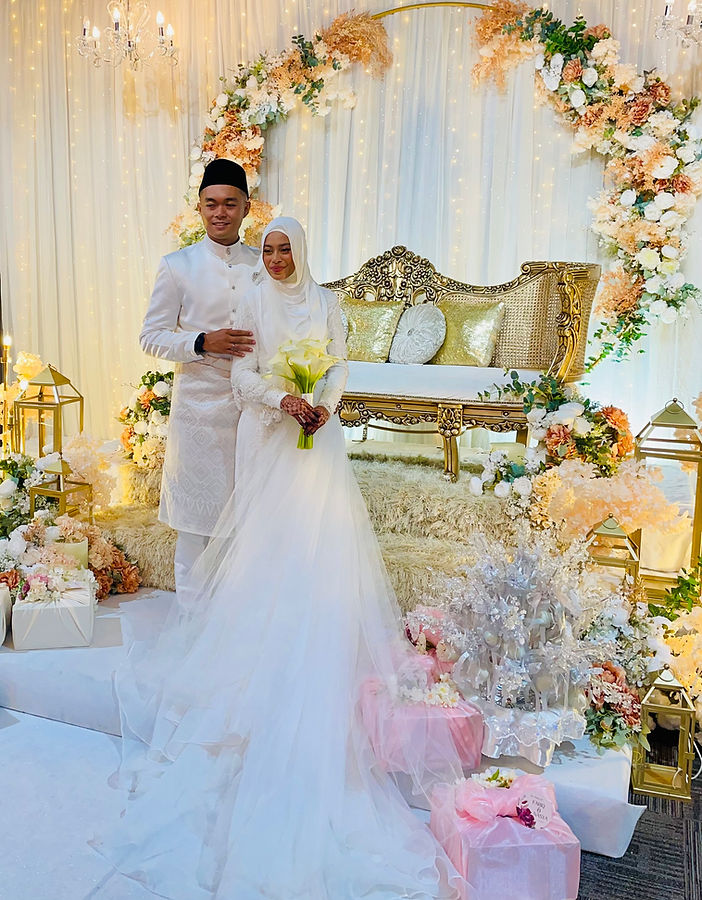
For Malay and Muslim couples, tradition adds a second layer. Families avoid Ramadan and cluster celebrations after Hari Raya Aidilfitri. Therefore, the best month for a kampung-scale majlis differs from the best month for a quiet weekday solemnisation.
Singapore's Wedding Seasons by Weather
Singapore's calendar splits into two monsoons and two inter-monsoon periods. Each brings a different rain pattern, according to the Meteorological Service Singapore. Knowing the pattern lets you plan the ceremony format and the contingency.
Northeast Monsoon: December to March
The northeast monsoon brings Singapore's wettest weather, especially from November to early January. December is the wettest month, averaging about 269mm of rain over roughly 25 days, according to the Meteorological Service Singapore. Therefore, year-end outdoor weddings face the highest rain risk. February then turns drier as the monsoon eases. For a December or January date, an indoor venue is non-negotiable.
Inter-Monsoon: April to May and October to November
The inter-monsoon periods run late March to May and October to early November. These months bring light, variable winds and frequent afternoon thunderstorms, per the Meteorological Service Singapore. As a result, a 4pm garden ceremony can vanish under a sudden storm. Morning slots carry slightly lower risk, but an indoor hall stays the safer choice across both windows.
Southwest Monsoon: June to September
The southwest monsoon is climatologically drier, with short Sumatra squalls in the morning and afternoon thunderstorms. However, it carries a second risk: haze. Transboundary haze from regional land fires can affect Singapore between June and October, with the worst air quality typically from July to September, according to the National Environment Agency. Therefore, an enclosed, air-conditioned venue protects guests from both rain and haze in these months.
Best Time to Get Married in Singapore: Month-by-Month
Use the table below as a quick planning reference. It pairs each month's weather pattern with the demand and tradition notes that affect your booking. Dates for Ramadan, Hari Raya, and school terms shift yearly, so confirm the 2026 calendar before you commit.
Month | Weather pattern | Planning notes |
January | Northeast monsoon, wet | Among the wettest weeks; Chinese New Year period raises demand |
February | Driest stretch, monsoon easing | Lower rainfall; Ramadan may begin, so Malay weddings pause |
March | Inter-monsoon begins | Ramadan and Hari Raya Aidilfitri; Malay demand surges after Raya |
April | Inter-monsoon, thunderstorms | Post-Raya Malay wedding peak begins |
May | Inter-monsoon | Post-Raya peak; June school break starts 30 May |
June | Southwest monsoon, drier | School holidays lift family and out-of-town availability |
July | Southwest monsoon, drier | School term; strong mid-year window (see our July guide) |
August | Southwest monsoon | Haze risk peaks; National Day period |
September | Southwest monsoon | Haze risk continues; Malay peak window |
October | Inter-monsoon, thunderstorms | Deepavali period; Malay peak continues |
November | Inter-monsoon to monsoon | Second wettest month; year-end demand climbs |
December | Northeast monsoon, wettest | Wettest month, about 269mm; peak year-end demand |
The pattern is consistent. Indoor venues stay reliable in every month, while outdoor venues swing with the season. Therefore, the month decides your guest turnout and cost more than your weather risk, provided you book indoors.
Malay and Muslim Wedding Seasons
Malay weddings in Singapore follow tradition more than weather. The strongest peak runs from after Hari Raya Aidilfitri in March 2026 through May, and a second window opens from August to November. Meanwhile, families widely avoid celebrations during Ramadan. As a result, venue demand spikes in these windows regardless of rainfall.
This pattern creates an opportunity. July sits between the two Malay peaks, so dedicated halal venues stay available longer than in April or September. For couples who value choice and a calmer booking race, a mid-year date can win. Our July wedding planning guide for Singapore breaks down that window in full.
How Season Affects Venue Availability and Cost
Peak seasons tighten availability and firm up prices, while off-peak windows open both. Saturday slots in the post-Raya and August-to-November peaks book out 9 to 14 months ahead at dedicated halal venues, based on industry venue guides. In contrast, weekday and Sunday dates stay accessible with 4 to 6 months' notice. Therefore, your date choice shapes both your shortlist and your leverage on rate.
Cost moves with demand and day, not just the venue tier. A weekday daytime wedding in an off-peak month often costs less than a peak Saturday. Most Singapore weddings land between S$30,000 and S$85,000, based on 2026 industry price guides. Always confirm whether a quote is nett or plus-plus, since a 10% service charge and 9% GST can add nearly a fifth to the headline figure.
Why the Venue Matters More Than the Month
For a Singapore wedding, an indoor, air-conditioned venue beats any perfect-month strategy. Rain, heat, and haze all lose their power once your celebration runs fully indoors. For Malay and Muslim couples, the venue must also be alcohol-free, with a prayer area and a private bridal room. These features remove both weather risk and religious compromise in a single decision.
De Hall, at 3 Irving Road, Tai Seng Centre, is a 14,000 sqft purpose-built halal venue, alcohol-free across the entire premises. Its two ballrooms hold 100 to 1,000 guests, with sheltered access two minutes from Tai Seng MRT. Therefore, your date works in any month, monsoon or not. For the full venue breakdown, read our halal wedding venue guide for July 2026, or compare options in our top Malay wedding venues guide.
FAQ: Best Time to Get Married in Singapore
What is the wettest month to avoid for a Singapore wedding?
December is the wettest month, averaging about 269mm of rain over roughly 25 days, according to the Meteorological Service Singapore. November ranks second. For year-end dates, choose a fully indoor, air-conditioned venue to remove the rain risk.
Is the southwest monsoon a good time to marry in Singapore?
The southwest monsoon, June to September, is climatologically drier, which helps. However, it carries haze risk, worst from July to September, per the National Environment Agency. An enclosed venue protects guests from both squalls and haze.
When is the Malay wedding peak season in Singapore?
Malay weddings peak after Hari Raya Aidilfitri, from around late March through May 2026, and again from August to November. Families avoid Ramadan. Book peak Saturday slots 9 to 14 months ahead at dedicated halal venues.
Does the wedding month affect cost in Singapore?
Yes. Peak seasons and Saturdays raise demand and firm up prices, while weekday and off-peak dates cost less. Most Singapore weddings range from S$30,000 to S$85,000, based on 2026 industry guides. Always confirm nett versus plus-plus pricing.
Which month has the best venue availability?
Mid-year months between the Malay peaks, such as July, keep dedicated halal venues open longer. Weekday and Sunday slots stay accessible with 4 to 6 months' notice. Peak-season Saturdays need the earliest booking.
Pick Your Month, Then Lock Your Venue
The best time to get married in Singapore is the month that fits your guests, your budget, and your traditions, paired with a venue that ignores the weather. Once you have a target month, lock the venue first, because the registry needs your declared address. De Hall's 14,000 sqft halal-compliant venue runs fully indoors, alcohol-free, with a prayer room, bridal room, and halal catering by Latif's Briyani. Therefore, book your viewing now, and choose your date with confidence.
De Hall Singapore. 3 Irving Road, #02-08, Tai Seng Centre, Singapore 369522. Phone: 9855 3027 / 8891 6516. Email: enquiry@dehallsg.com.
Book a free consultation: dehallsg.com/book-online | Full directions: dehallsg.com/contact
Sources: Meteorological Service Singapore (monsoon seasons and rainfall), National Environment Agency (haze), and 2026 industry wedding-cost and venue guides. Calendar dates for Ramadan, Hari Raya, and school terms shift yearly, verify the 2026 dates before booking.




Comments